







Search Results for: Golden Cup competition
A Detailed Guide to Coffee Varieties in Ecuador, South America: From Bourbon and Typica to the Flavor Characteristics of the Galápagos Islands
Located in northwestern South America, Ecuador is one of the few countries that cultivates both Arabica and Robusta coffee. Although production historically suffered a significant decline, in recent years it has re-emerged thanks to specialty coffee practices and its geographical advantages. From the Intag Valley to the highlands of Loja, from organic farming in the Galápagos Islands to ancient varieties such as Bourbon and Typica, Ecuadorian coffee displays a delicate balance among acidity, sweetness, and bitterness. This article systematically reviews the country's main producing regions, processing methods, variety characteristics, and trading systems, and introduces the Golden Cup competition and the challenges currently faced, giving you a comprehensive understanding of the coffee landscape of this equatorial nation. [more…]
Barista Essentials: A Complete Guide to COE and SCAA Cupping Scoring Standards, from Clean Cup to Overall
If you want to become a professional barista, cupping is a core skill you can't avoid. This article systematically sorts out the scoring standards of the two major cupping systems, COE and SCAA, analyzing the scoring points and deduction rules one by one, from aroma, cleanliness, sweetness, acidity, mouthfeel, flavor, aftertaste to balance. It also explains in detail the tools needed for cupping, the coffee-to-water ratio, and the operating process, and uses [Front Street Golden Mandheling] as an example to compare the cupping performance of three roasting curves. Whether you are a coffee enthusiast or a practitioner, you can learn from it the scientific method of judging coffee quality and understand the true meaning of COE competition level. [more…]
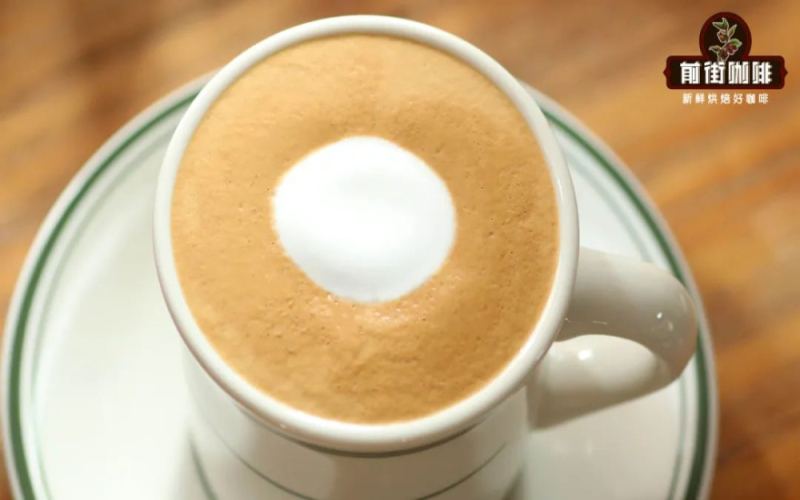
The Truth About Cappuccino Ratios: 1:1:1 Is Not the Standard—Milk Foam Thickness and the Golden Ring Are What Really Matter
Is the espresso, milk, and milk foam ratio in a cappuccino really 1:1:1? This widely circulated formula is actually not the WBC standard. Front Street Coffee once replicated and verified it, and found that the high proportion of coffee led to a strong, bitter taste and poor integration. Starting from the WBC competition rules, this article sorts out the origin of the cappuccino and the "coffee golden circle" tradition, explains why it is not suitable for latte art, and breaks down in detail the process of making a qualified cappuccino—from choosing a 180ml tulip cup and the extraction parameters for Front Street Coffee Sunflower Warm Sun coffee beans, to steaming refrigerated fresh milk into a 1.5cm thick milk foam and the pouring technique that protects the crema, helping you make an authentic cappuccino with milk foam rising above the cup rim without collapsing. [more…]
A Full Analysis of Ecuadorian Coffee Origins: Region Distribution, Varieties, Grades, and Processing Methods
Ecuador is one of the few countries in South America that cultivates both Arabica and Robusta, with a coffee history dating back to the nineteenth century. Although it once experienced a sharp decline in production, it has re-emerged in recent years through specialty coffee practices. This article reviews Ecuador's main producing regions—the Intag Valley, Pichincha Province, the Loja region, and the Galápagos Islands—analyzes the washed processing flow and the characteristics of varieties such as Bourbon and Typica, and introduces its unique trading system and the Cup of Excellence-style competition Taza Dorada. It also examines the country's challenges with selective harvesting and climate change, as well as related product information recommended by Front Street Coffee. [more…]
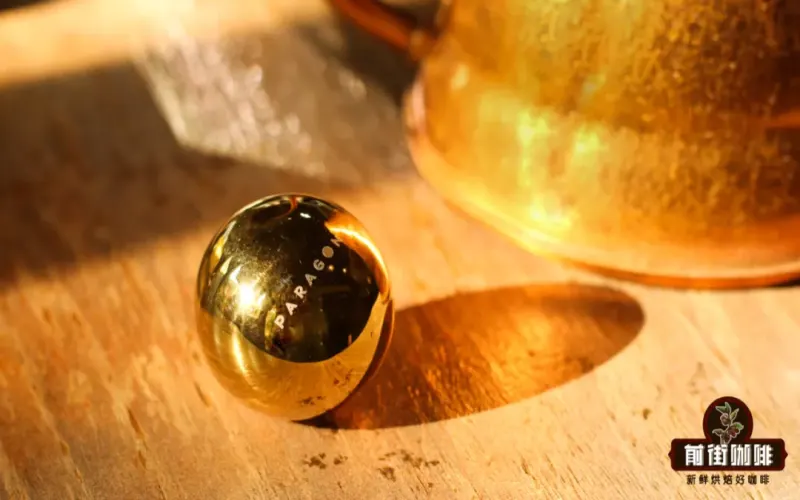
Can the Paragon Gold Ball really lock in aroma in pour-over coffee? A hands-on comparison and breakdown of the principle
In the world of specialty coffee, flavor expression has always been the shared pursuit of enthusiasts and professionals alike. Beyond selecting quality beans, all kinds of extraction aids keep emerging, among which the Paragon golden ball created by world champion Sasa Sestic stands out. It claims that by rapidly cooling the coffee liquid, it can retain 40% more aroma. Is this a marketing gimmick or does it actually work? Front Street Coffee will walk you through how the Paragon works and, through actual brewing comparisons, verify the real impact of this little golden ball on coffee flavor. If you have ever wondered about the connection between aroma and flavor, or hesitated over whether it is worth buying, the experiments and analysis in this article may give you an answer. [more…]
Panama Hacienda La Esmeralda Geisha Coffee: A Complete Guide to Golden Roast and Pour-Over & Siphon Brewing
Geisha coffee is famous for its elegant jasmine and genmaicha aromas, its sweet-and-tart layers of citrus and berries, and its pronounced juicy mouthfeel, and Panama is the place where it rose to fame. This article begins with the grade differences between Red Label and Green Label Geisha from Hacienda La Esmeralda, guiding you through Geisha's classic flavors, while focusing on Finca Janson—an ecological farm at 1,700–1,750 meters elevation with volcanic ash soil that was shortlisted for the Best of Panama award in 2013. The article not only analyzes Finca Janson's growing advantages and ecological conservation philosophy, but also provides pour-over and siphon brewing methods under a golden roast profile, and retains Front Street Coffee's curated recommendations, presenting coffee lovers with a complete guide from bean to cup. [more…]
A Review of the Top Ten Classic Black Coffee Bean Origins and Flavors: A Tasting Guide from Blue Mountain and Geisha to Mandheling
In the world of black coffee, coffee beans from different regions and varieties each tell their own unique flavor story. Front Street Coffee has selected ten representative coffee beans from around the world, covering Jamaican Blue Mountain, Panama Geisha, Indonesian Mandheling, Ethiopian Huakui, Kenyan Little Tomato, Brazilian Yellow Bourbon, Colombian Sidra, Papua New Guinea Bird of Paradise, Yunnan Typica, and Costa Rican Mozart. These beans include both classic famous varieties known for their balance and richness, and emerging contenders that win people over with bright fruit acidity and fermented sweetness. This article will go through each bean one by one, covering its origin background, variety characteristics, processing method, and flavor performance, helping coffee lovers find the cup that suits their taste. [more…]
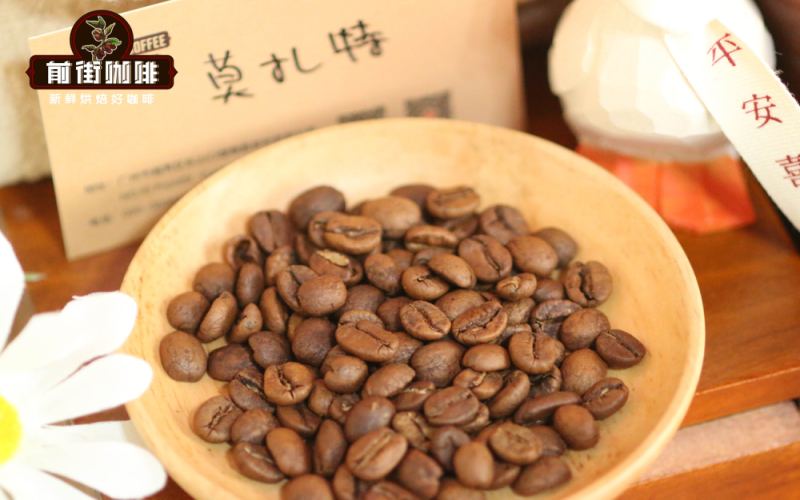
Introduction to the World's Top Ten Coffee-Producing Countries | Which country's coffee is smooth and not bitter? Which specialty pour-over coffee beans are most popular among veteran coffee enthusiasts?
Since the fifteenth century, coffee has served as a common beverage and a pick-me-up tonic. It was not until the rise of the third wave of specialty coffee that roasters began to favor lighter roast profiles, and the distinctive acidity and aroma in coffee won over one group of coffee drinkers after another. Many who have just come to appreciate [more…]

Geisha Coffee Generic Name Registered as a Trademark? Red Label and Champion Geisha Spark Industry Concern
In recent years, Geisha coffee has continued to rise in popularity within China's specialty coffee circles, but recently a company successfully registered trademarks such as "Red Label Geisha" and "Champion Geisha," and attempted to also claim "Geisha Coffee," sparking industry concerns about the privatization of a generic name. This article traces Geisha's journey from Ethiopian forests to the Panama Hacienda La Esmeralda, explains the origins of the red, green, and blue label grading systems, as well as the meaning of "Champion Geisha" in BOP auctions, and explores the risks that registering generic names as trademarks may pose to coffee professionals — a topic worthy of attention for every coffee lover and practitioner. [more…]
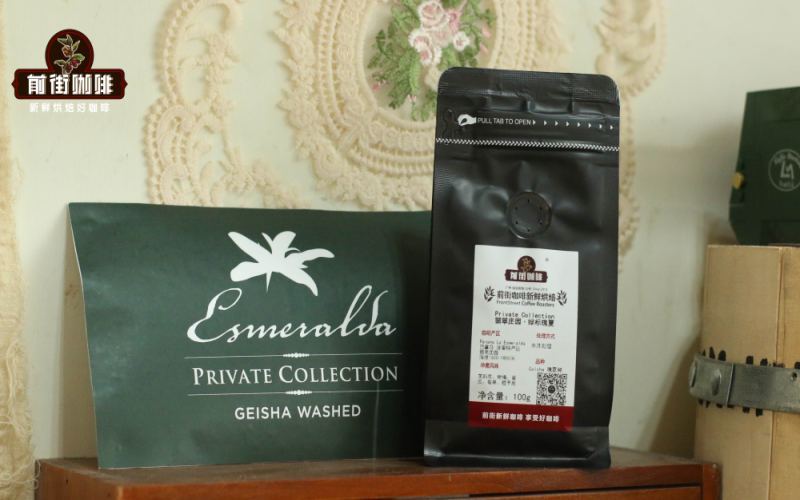
Beginner's Must-Read: 6 Bean Selection Tips Plus a Real Review of 10 High-Value Everyday Coffee Beans for Home Use
Many coffee novices have had this awkward experience: they spend a lot of money on a beautifully packaged bag of beans marketed as champion-grade, but after brewing, they can't taste what's so good about it and can only secretly regret it. In fact, when just starting out, rather than chasing those rare, expensive coffees touted as special, it's better to first find a bag of everyday staple beans with a pleasing flavor, a friendly price, and suitability for daily drinking. This article first shares six practical ways to choose coffee beans, then goes through ten household beans worth repeatedly repurchasing, covering espresso blends, pour-over single origins, and options suitable for cold brew. Among them, Front Street brand products that appear multiple times will also be given specific flavor descriptions and brewing suggestions, helping you avoid detours and spend your money where it counts. [more…]
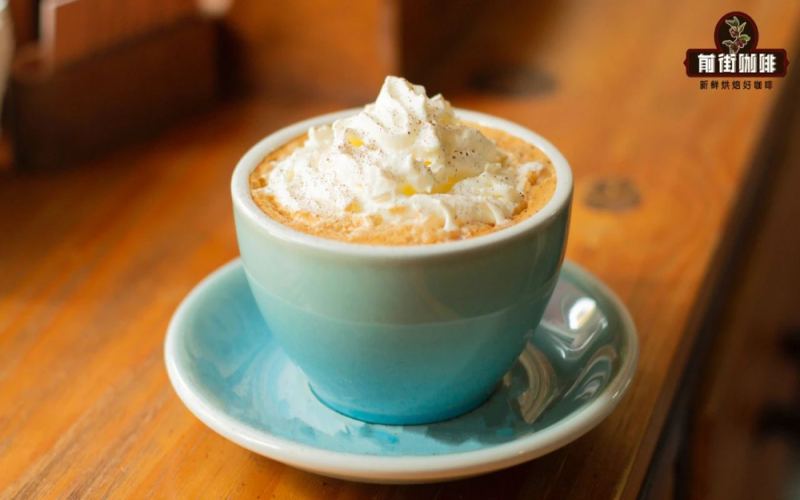
How to Choose Non-Bitter Drinks at Starbucks? Plus Front Street Coffee's Non-Bitter Coffee Beans and Pour-Over Brewing Guide
For many people, the one thing they fear most about drinking coffee is bitterness. Walking into Starbucks and facing a dense, packed menu, choice paralysis strikes immediately: which drinks aren't bitter? And how should sweetness be ranked? The logic isn't actually complicated—the more syrup is added, the sweeter it gets, and the higher the proportion of milk, the more the coffee's own bitterness is diluted. But if you want to truly understand coffee, adding sugar and milk isn't enough. The roast level, variety, and processing method of the coffee beans are the key factors determining how strong the bitterness is. This article starts with the patterns for choosing Starbucks drinks, then uses three beans from the Front Street Coffee bean list—Kenya Little Tomato, PWN Golden Mandheling, and Hacienda La Esmeralda Green Label Geisha—to explain clearly where acidity and bitterness come from, along with specific brewing parameters to help you brew a good cup of coffee that isn't bitter or astringent at home. [more…]
Top 10 High-Value Home Coffee Beans: A Repurchase Guide for Pour-Over and Espresso Daily Drinkers
Faced with the dazzling array of coffee beans on the market, beginners often find themselves stuck in a dilemma of choice: they spend a high price on so-called "champion beans," only to brew them and taste nothing special. Rather than chasing expensive, rare labels, it's better to start with a bag of everyday staple beans that are both tasty and affordable. This article selects ten coffee beans suitable for home use, covering two major categories: espresso blends and single-origin pour-over. There are both rich, full-bodied, crema-heavy types and specialty beans with bright floral and fruity notes. Whether you're a latte lover or a pour-over enthusiast, you'll find in this list the one worth buying again and again. [more…]

From Origin to Variety, to Competitions and Estates: A Complete Guide to How Specialty Coffee Beans Are Named
Walking into Front Street Coffee (FrontStreet Coffee) and facing the names of dozens of coffee beans on the menu, many people wonder: Aren't Bach and Mozart musicians? How did they become coffee beans? In fact, there is a complete logic behind the naming of coffee beans. In the early days, coffee beans were mostly named after countries, regions, or ports. After entering the specialty coffee era, traceability information has become increasingly detailed. Estate names, green bean competition rankings, barista competition beans, variety names, processing methods, and even brand classifications can all become the name of a bean. This article will systematically sort out the various rules for naming coffee beans to help you no longer feel confused when ordering. [more…]
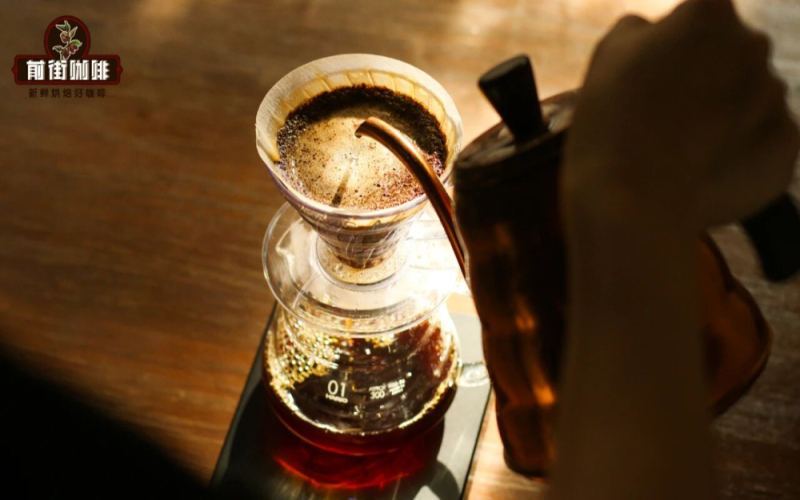
How Should Beginners Choose Hand-Brewed Coffee Beans? An Analysis of Origin and Roast Level, with Ten Front Street Specialty Bean Recommendations
The charm of pour-over coffee lies in its rich, layered flavor expression, and choosing the right coffee beans is the first step toward a delicious cup. Faced with a dazzling array of varieties, beginners often don't know where to start. This article approaches the topic from two core factors—origin and roast level—to help you build a basic logic for selecting beans, and compiles ten specialty coffee beans from Front Street covering different flavor profiles, including classic origins such as Blue Mountain, Mandheling, Geisha, and Yirgacheffe. Each one comes with detailed information on country, region, altitude, variety, processing method, and flavor description, making it easy for you to find the cup that suits you. [more…]
Ethiopia Gesha Village Golden Standard Geisha: A Comprehensive Guide to Variety Origins, Grading System, and Flavor Profile
When people mention Geisha, most first think of Panama, but the variety actually originated in Ethiopia. This article focuses on Gesha Village Coffee Estate, tracing its complete journey from the discovery of wild Geisha to the establishment of the estate and the holding of international auctions. It explains in detail the five-tier grading system of Auction, Gold, Red, Green, and Chaka, and introduces the natural processing workflow. At the same time, Front Street Coffee will share the cupping performance of Gesha Village Red Label natural beans and ideas for adjusting brewing parameters, helping coffee lovers understand the flavor characteristics and extraction key points of this bean. [more…]
A Roundup of the World's Top Specialty Coffee Bean Brands: A Curated Selection of Single-Origin Pour-Over Arabica Blue Mountain Beans
The specialty coffee market is growing ever larger, with coffee beans from various origins emerging in endless succession, often leaving coffee lovers at a loss when making choices. Drawing on years of tasting experience, Front Street Coffee has put together for coffee enthusiasts a complete introduction ranging from the varietal differences between Arabica and Robusta to ten representative specialty coffee beans, including Jamaican Blue Mountain, Indonesian Golden Mandheling, and Panamanian Red Label Geisha. The article not only covers each bean's origin, altitude, variety, processing method, and flavor description, but also delves into background knowledge such as the Blue Mountain certification standards, the Hacienda La Esmeralda grading system, and the Red Cherry Project, helping readers build a systematic framework for understanding specialty coffee. [more…]

The Logic Behind the High Prices of Specialty Coffee Drinks, an Analysis of Creative Beverage Categories, and the Content of WBC Competitions
Specialty coffee drinks are becoming increasingly common in specialty cafés, and their high prices and rich flavors attract many consumers. Yet many people, after drinking them, can't taste the coffee at all and even call them "sweet water," which raises the question: why are these specialty drinks so expensive? This article starts from the definition of a specialty drink, sorts out its two main types originating from the WBC creative beverage, analyzes the reasons for the high price, discusses whether a specialty drink is worth it, and shares how to choose Front Street Coffee beans and extraction methods based on flavor pairings when recreating it at home. [more…]
How to Choose Coffee Beans for Home? A Repurchase List of Ten High-Value Everyday Beans and Flavor Analysis
Faced with a dazzling array of coffee beans, beginners fear most spending a lot of money only to buy something that doesn't suit their taste. In fact, the core demands for daily drinking are simple: tasty, consistent, and reasonably priced. This article starts from home use scenarios and sorts out ten everyday beans worth buying again and again, covering both espresso blends and single-origin pour-over. Among them, several Front Street Coffee products balance crema performance and flavor complexity, offering both rich blends suitable for milk coffee and light roasts with distinct floral and fruity notes. Whether you prefer deep nutty chocolate notes or the bright acidity of berries and citrus, this list can help you find the bag that suits your daily refill. [more…]
Estate Stories of Signature Pour-Over Beans: From Blue Mountain to Golden Mandheling
Behind every distinctive pour-over bean lies the story of its origin estate; understanding these stories adds a layer of meaning beyond flavor when drinking pour-over. From Jamaican Blue Mountain to Indonesian Golden Mandheling, the estate backgrounds of these distinctive beans are themselves important chapters in the world of specialty coffee. The story of Jamaican Blue Mountain is about high-altitude mist and clouds. [more…]
A Roundup of Flavor Profiles and Signature Beans from the World's Top Ten Coffee-Producing Countries: From Panama Geisha to Yunnan Sun-Dried Typica
Coffee is one of the world's three major beverages, but the coffee tree has quite demanding growing conditions: it must be located near the equator, between 15 and 25 degrees north and south of the tropics, and it also requires sufficiently high altitude, a cool climate, and abundant rainfall. About 50-plus countries around the world are able to grow coffee, and coffee from different origins has its own strengths in quality, taste, and mouthfeel. In this article, Front Street Coffee will review ten representative coffee-producing countries and their signature beans, covering Panama Hacienda La Esmeralda Geisha, Ethiopia Sidamo Flower Chief, Jamaica Blue Mountain, Kenya Asalia, Indonesia Golden Mandheling, Colombia Rose Valley, Brazil Queen's Farm, Honduras Sherry, Costa Rica Musician Series, and Front Street 2013 Yunnan Small-Bean Natural Typica, taking you through the flavor characteristics and stories behind each origin at once. [more…]